


I recently wrote another article for Bioislifemedia.com about an Ebola Vaccine. Before you read it, first learn about Ebola by reading this article that I published last year What Ever Happened to Ebola?!
“Ebola is a virus in the family of Filoviridae along with Marbug virus, that causes Hemorrhagic Fever. The virus leads to hemorrhaging by causing the body to lose the ability for your blood to clot, through multiorgan damage and drop in blood pressure. There are actually several Ebola viruses: Sudan Ebola, Zaire Ebola, Cote D’Ivoire Ebola, and Bundibugyo Ebola. They are all distinct species of Ebolavirus. The virus got it’s name from a small river in northwestern Democratic Republic of the Congo (DRC).“ – Stacia Nicholson, What Ever Happened to Ebola?!
Then read about the candidate drug that may be the first vaccine to prevent Ebola in humans.

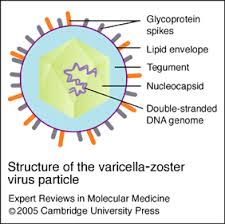 icella-Zoster Virus (VZV) is a DNA herpesvirus that infects humans and some primates. It is the cause of both Chickenpox (Varicella disease) and Shingles (Herpes Zoster).
 aliquotthesciencespot