

Varicella was once a common childhood disease. Due to childhood vaccination initiated in 1996 in the United States, the viral infection has already begun to fade out of common knowledge. Many young adults and adolescents today, have never experienced the itchy blistering rash, or missed days of school because of it. Some people have even begun to contest the necessity of vaccinating against the virus that causes chickenpox infections in children. However, preventing chickenpox can also prevent two painfully debilitating conditions later on in life; Shingles and Postherpetic Neuralgia.
Varicella-Zoster Virus
The Var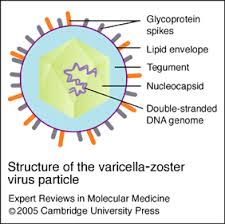 icella-Zoster Virus (VZV) is a DNA herpesvirus that infects humans and some primates. It is the cause of both Chickenpox (Varicella disease) and Shingles (Herpes Zoster).
Varicella Disease: Chickenpox
Chickenpox is a highly infectious childhood disease that primarily affects children between the ages of 1 and 9 years old. It causes an itchy vesicular rash to appear on the body, accompanied by fever and malaise.
Chickenpox is self-limiting, and does not require treatment to be resolved. Healthy individuals develop a mild disease that generally clears within a few weeks. Symptoms such as dehydration, fever, and puritis, can be managed with fluid replacement, acetaminophen, and calamine lotion, respectively. Continue reading


 aliquotthesciencespot