Okay, so I was on my Facebook sometime ago and noticed a heated debate about some change Chipotle made to its menu and why it wasn’t a big deal because “everything is GMO”. The problem with this argument was that the commenters were fighting with each other but nobody seemed to really know what a GMO is, never the less what the acronym even stands for. I felt my blood pressure rising with every comment that I read. I didn’t know how to step in without demeaning the poster, or insulting any of the commenters. But, I knew I had to…as a scientist it was my duty. It got a little heated but after much example giving, and assurance that I was qualified to speak on such things, egos were assuaged, cooler heads prevailed, and much knowledge was “dropped”.
So what is GMO?
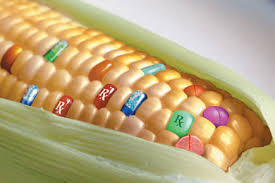
GMO stands for genetically modified organism. Also referred to as genetically engineered organism, bioengineered food, or transgenic organism/food, simply put, a GMO is one that has a gene inserted into its own DNA from another organism using what is known as recombinant DNA technology. The “new” gene confers some beneficial trait or characteristic such as: increased nutritional value, herbicide or pesticide resistance, faster maturation, increased size, or bug and disease resistance.
Which foods/organisms are GMO?
Although it seems new, in the United States GM crops were introduced back in the 1990’s. Everything is not genetically modified, only some bioengineered crops have been allowed by the government to be used as or in food, food products, animal feed, and fibers. Currently the most common GM crops in commercial use are corn, canola, soybean, potatoes, tomatoes, sugar beets, wheat, and cotton, among a few others.
Which foods are not GMO?
Foods that are made from GMO’s would be any product containing ingredients from the above mentioned crops. Naturally, we think of cereals, breads, oils, syrups, and food snacks. So, when reading the ingredient list on the back of the package, and you find soybean and corn as ingredients, know that most likely those products contains GMO’s. Other less obvious foods products might be soups and sauces that are thickened with cornstarch or contain tomatoes, mayonnaise, and sugars.
There still remains a lot of confusion, because people just don’t understand all the jargon and lingo. Here, I will pause to rebuff all of you who said you would never need biology or science in the real world…but I digress. The point is, seedless grapes, the pink color of salmon, hybrid fruits like grapefruit, and the use of pesticides or herbicides does not make an organism genetically modified. Seedless fruit like watermelon do contain seeds, its just that their seeds have not reached maturation, or the fruit was not fertilized by pollination. Methods of agriculture such as hybridization (cross-breeding) have been around for almost forever, and has nothing to do with recombinant engineering. Although some unscrupulous manufacturers have added dyes to enhance the color of some pink salmon, pink salmon is already naturally pink. Furthermore, no GMO animals or fish are commercially available for public consumption. Pesticides and herbicides are applied to the soil and outside the crop and does not change the crops DNA or genetic makeup.
So Is it a big deal or not?
Many people worry that because a foreign gene has been added to their food that it will harm them. The Food and Drug Administration monitors the safety of all foods here in the U.S. and GMOs have been on the market for about 2 decades now. Some people are afraid because people are just often afraid of new things, especially when they don’t understand what it is. However, there are some real concerns. For instance, if a fruit has a gene from another fruit that someone is allergic to, that modified fruit might now carry that same protein that causes an allergic reaction in that person. The FDA test all GMO’s for allergenicity and toxicity prior to approving it for consumption. Often times, processing and cooking of the GMO denatures or breaks down and otherwise removes the genes and proteins in it before consumption. So for those who are worried that the new gene may become incorporated into their own DNA, well that won’t happen. The genes of the fruits and vegetable that we eat that are not GMO are not incorporated into our DNA, and neither are those of GMOs. Trangenic crops and the foods derived from them are NOT frankenstein monsters that are coming to destroy us from the inside out. They do have many benefits, potatoes for example have been modified to resist “blight” a disease that destroyed potato crops. Other crops are engineered to repel or kill the bugs that try to eat them, thereby reducing the use of pesticides, and increase yields.

 Anyone who knows me knows that I LOVE drinking RED BULL energy drinks. I drink them all the time, mostly because I love the flavor, but really they also give me wings! Seriously, they keep me alert and help me stay focused and energized. The only thing I hate about it, is when someone sees me drinking one and says something about how bad they are for me. When this happens, I generally tend to ask why they think that, and the answers I usually get are because they are “basically liquid pixie sticks” or that they are “just not safe”. Continue reading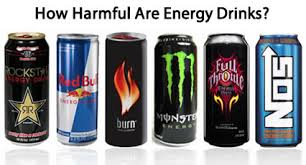





 aliquotthesciencespot