HIV IS STILL AN EPIDEMIC?!

It  has recently been broadcast that there has been an outbreak of HIV in the state of Indiana. Governor Mike Pence declared the situation a state public health emergency, as he announced a HIV epidemic for Scott County, Indiana. This however is not the only region in the U.S. that is experiencing an increased incidence of HIV infections; Atlanta Georgia has also recently seen new cases at epidemic proportions. According to and article in Atlanta Daily World, “Atlanta ranks number one among U.S. cities when it comes to the rate of new HIV cases diagnosed”. What’s most disturbing, is that the article states that ” by the time patients are diagnosed in Atlanta, almost one -third have advanced to clinical AIDS”.

HIV the virus that causes AIDS has been around now for over 30 years, and although there still is no cure, the disease has become manageable – to the point of being considered a chronic disease. So, the last thing you’d expect to hear is that there is an ‘epidemic’ of the virus right here in America. You might be surprised because the once mass hysteria and phobia surrounding the disease has been sociably ameliorated.  Public health awareness campaigns rightfully designed to erase the stigma – that prevented many people from being tested and seeking treatment, have been largely successful. Why then is this happening now? What can we learn from this current news about a 3 decade old plague? Continue reading

Water to Wine : Arsenic contamination

Toxic wine lawsuit

In recent news, 24 California wineries are being sued for selling arsenic laden wines. According to the news reports, 3 independent laboratories were asked to test over a thousand wines, of which over 80 were shown to contain elevated levels of arsenic. In some cases arsenic concentrations were as high as five times the maximum allowed concentration permissible in drinking water. Drinking water is being used as the standard because the United States does not have any legislation regulating the arsenic content of wine. You might be wondering, why wine producers would knowingly sell wine containing arsenic, whether they put the arsenic in the wine, and how this might affect your future wine consumption endeavors. Before you throw your bottles (or boxes for the matter) of wine down the drain lets explore this situation further.

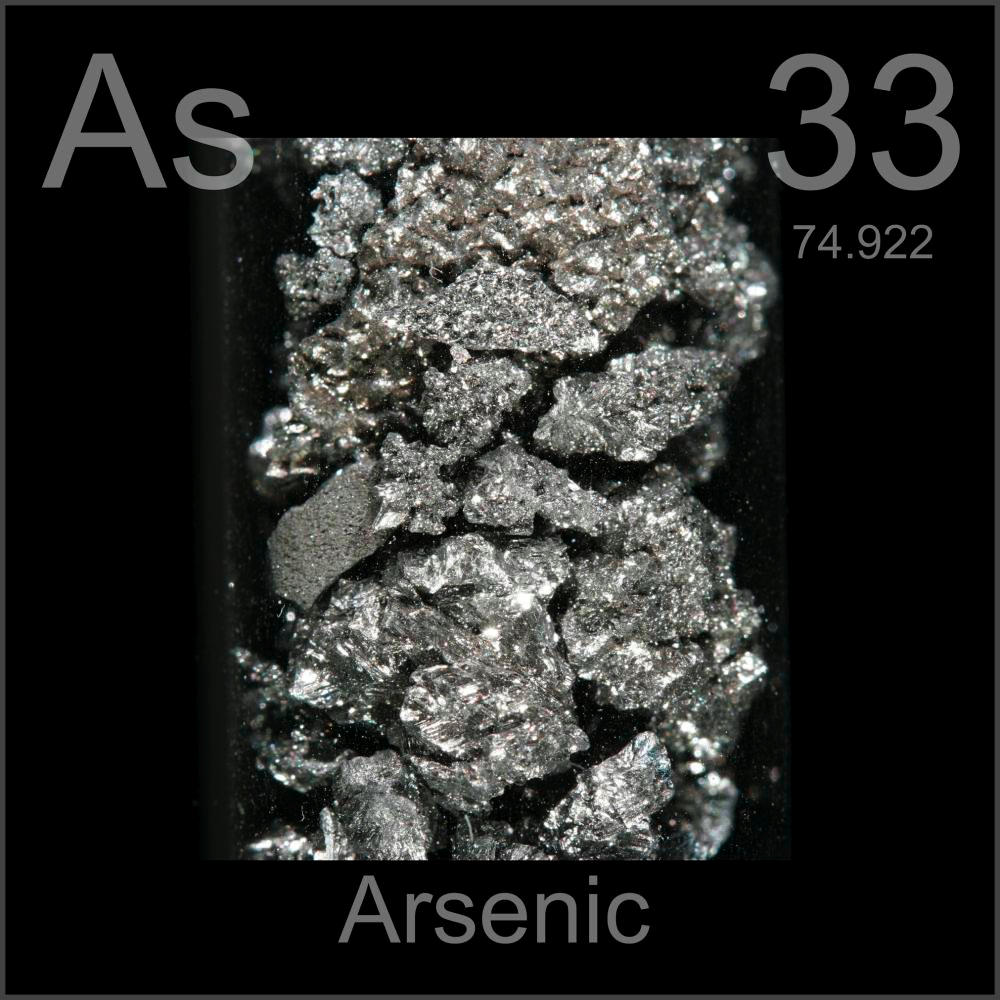
What is  Arsenic?

Arsenic is a metalloid naturally found in the earths crust. Inorganic and organic forms are released from the environment by anthropogenic use – by peoarsenicple during production of metal alloys, microelectronics, and agriculture. Historically it has been used in fertilizers, in pesticides, in medicines, and in the preservation of wood (like pentachlorophenol ). Worldwide Arsenic exposure is a major environmental and occupational public health issue.

How Arsenic Gets into Wine.

In actuality Arsenic is usually present in wine. This is a direct result of the use of arsenic containing pesticides for grape production. As a result of this use arsenic is present in  soil and  water; contaminating fruits and ground water. The World Health Organization established as a guideline, the maximum concentration of arsenic in drinking water; 10 micrograms per liter.  The major component of arsenic is wine in the inorganic form, which happens to be more toxic than the organic form, however the arsenic content of wine is generally low ( < 10 ppb). Interestingly enough arsenic is also present in beer.

Wine made from grapes that have ripened on the vine longer have a higher amount of arsenic. This makes sense because they have been allowed to take up more arsenic from the soil and water they are grown in. In  addition, the acidity of soil or of wine itself keeps arsenic stable.  Prolonged fermentation during the production of wine could however decrease the presence of arsenic in the final product due to volatilization and sedimentation. Essentially, the fermentation process allows for arsenic to be transformed into other arsenic species that may be less harmful, and easier to remove.

Arsenic toxicity

arsenic2

The amount of arsenic present in wine is  not enough to be immediately toxic. In other words it won’t result in death, however it will result in the excess intake of the element in wine drinkers. The most common routes of exposure to arsenic are oral (drinking water and food ) and inhalation (arsine gas).

The U.S. EPA (environmental protection agency) classifies arsenic as the number one carcinogen. Chronic exposure is known to cause cancers of the skin, lung, bladder, kidney, and liver. It also predisposed humans to the development of cardiovascular disease, diabetes, pulmonary diseases, and neurological impairment. Hallmarks of chronic arsenic toxicity are skin lesions; hyperpigmentation and keratosis.

Arsenic can be detected in the urine, and is a good indicator of exposure within 1-2 days of ingestion. Fingernails and hair can be used to detect acute (sudden large doses) exposure to arsenic up to 6 to 12 months after exposure.  The only treatment for acute arsenic toxicity is to treat the symptoms. Chelation therapy is limited in its ability as it may reduce the amount of arsenic in the body, but it won’t undo the harm that is already done.

Summary

California wine producers have rebutted that the lawsuit is egregious and might result in an unnecessary loss of confidence by consumers in wineries. In all honesty, only approximately 6 percent of the wines tested were shown to contain high levels of arsenic. Although the U.S. does not have any laws regulating arsenic levels in wine, the European union does. Wine producers assert that they maintain these guidelines as standards in their production. Also, the wines that are most culpable are cheap wines; like box wines. Buying quality expensive wine will reduce your risk of being exposed to high levels of arsenic, this is likely true, due to longer fermentation (aging), and better processing; such as filtration and removal of pulp. It might be wise for there to be government regulation and monitoring of arsenic levels in wines produced and sold in the United States. The issue of arsenic being present in wine is not unique to American wines, it also occurs in European wines and to a lesser extent; beer. It may be impossible to remove all arsenic from wine and even water for that matter, what is important is that it not be present in quantities that exceed those to which pose no significant harm to human health.

“PENTA”…More than greek for the number 5.

I was watching the news a little over a week ago when I heard them talking about something called “penta” that was being applied to telephone/electric poles and that senator Chuck Schumer was upset about it possibly getting into the groundwater. For the life of me, I had no idea was they were talking about, but I did know that “penta” could not be the proper name for the chemical in question. I tried googling “penta + chemical” and I got nothing meaningful in the way of results. So, I went to my mentor and said “what is this chemical they are painting onto wood poles that has everyone so upset? I can’t remember the name they called it on the news, but it sounds incomplete.” He said oh yes, a wood preservative, they have been using it for years”.

So what is “Penta”

Penta is a synonym for the chemical Pentachlorophenol that is currently used as a wood preservative. It is an organochlorine pesticide, okay, why didn’t they just say so? I know all about organochlorines and their toxicity! I’m guessing, they didn’t really know much about what they were covering, they just knew it was important, and sounded bad.

Is Pentachlorophenol (PCP) bad?

Since the 1980’s the use of PCP has been restricted in the United States, and it’s use and manufacture is banned in several countries, such as Germany, throughout the world. In the U.S. it is only manufactured by one company – Vulcan chemicals. The problem is that it is a major, ubiquitous (found everywhere), environmental contaminate. It’s presence in groundwater and soil causes the most concern, because it can get into foods such as fruits, vegetables, and grain, as well as into drinking water. This is mostly due to its previous widespread use in agriculture and as a pesticide, where it was also available for  commercial use in and around homes and gardens. It was first registered as a wood preservative in the U.S. during the 1930’s. It has also been registered for use as an insecticide, herbicide, algicide, fungicide, germicide, and molluscicide . Pretty much it’s a biocide, meaning it kills a lot of different living things. Common exposure to the chemical by humans won’t result directly in death, but it can cause substantial harm. It is toxic to both animals and humans in acute and long-term exposures. Meaning, that if you are exposed to large amounts at one time, or if you are exposed to low amounts over a long period of time, it could have serious negative affects on your health.

What are the side affects of PCP and how are you exposed?

The type of exposure describes above can result in liver, kidney, blood, lung, nervous system, immune system, and gastrointestinal disease. This is due to the chemicals ability to disturb energy metabolism in the body (the way ATP is used) that leads to energy being  redirected into heat production.  As a result, acute signs and symptoms of exposure to PCP are tachycardia (fast heart beat), increased respiratory rate, fever, metabolic acidosis, and perfuse sweating. More serious complications are: aplastic anemia, leukemia, Hodgekins disease, and non-Hodgekins lymphoma. You can be exposed to PCP through 3 routes: oral, dermal, and inhalation. You can breathe in the vapors that are evaporating from wood poles or you can inhale its dust particles. You can also absorb it through your skin if you come in contact with it by touching or leaning onto a surface treated with PCP. Orally, you can be exposed to PCP by ingesting it from food or drinking water; children  by eating soil. If you live in a house (mostly log cabins) that has wood treated with PCP you are at higher risk of exposure through inhaling its vapors or breathing it dust particles from wood splintering and chipping away.  If you live near a hazardous waste site that disposes of PCP, or factory that manufactures it you are also at higher risk of exposure. Burning PCP treated logs can cause eye and respiratory tract inflammation because it produces an irritating and toxic gas.

In Summary

Pentachlorphenol is a synthetic chlorophenol chemical containing 5 chlorine molecules, along with carbon, oxygen, and hydrogen.  Listed as a probable human carcinogen, its use is regulated and only permissible to certified applicators. It is predominately used for the treatment of wood and in railroad ties, cross arms, and fence posts. It is no longer available for use by the general public or as a pesticide, thereby its prevalence in the environment has since declined significantly. It is degraded by sunlight in the air and surface water, and by microbes and organisms in soil. However effluents from factories and waste sites still present a source by which PCP can enter the environment. The most significant risk exposure is occupational, meaning that workers who apply or manufacture PCP are most at likely to suffer harm. You can reduce your exposure by washing and peeling fruits and vegetables. The Food and Drug Administration monitors PCP levels in food and it is not shown to buildup in the food chain. It is eliminated from your body via urine, but can be measured in your blood and found in your body fat.

What Ever Happend to Ebola?!

In March of 2014 the World Health Organization (WHO) announced the outbreak of Ebola in Guinea. Subsequently, the disease spread to Guinea’s bordering countries; primarily Sierra Leone and Liberia.  Then it spread to Nigeria and Senegal, and a few cases were imported to Spain and the U.S. by way of missionary work in certain parts of Africa. It was during this spread outside of Africa that mass media coverage became frenzied and Americans flew into a panic. People were calling for closed borders, African immigrants were being ridiculed, heated racial debates surrounding Zmapp arose, and people on a whole were afraid of it hitting their city. Then all of a sudden there was quiet, so what happened to Ebola? Well, nothing happened to it, it’s still there as it’s been for about 4 decades since its first reported outbreak in 1976. Ebola has actually broken out 16 times since, the difference now is that this outbreak is the largest outbreak of Ebola ever. Contrary to popular belief  it is actually the first outbreak of Ebola in West Africa! Never before had it broken out in such populated regions; allowing for it to be more easily spread.

What is Ebola?

Ebola is a virus in the family of Filoviridae along with Marbug virus, that causes Hemorrhagic Fever. The virus leads to hemorrhaging by causing the body to lose the ability for your blood to clot, through multiorgan damage and drop in blood pressure. There are actually several Ebola viruses: Sudan Ebola, Zaire Ebola, Cote D’Ivoire Ebola, and Bundibugyo Ebola.  They are all distinct species of Ebolavirus. The virus got its name from a small river in northwestern Democratic Republic of the Congo (DRC).

History

In 1976 the first cases of  Ebola were documented in Sudan and DRC (formerly Zaire), regions of Central Africa;  where it is endemic.  Then came Cote D’Ivoire Ebola in 1994; a third species. The latest type of Ebola to emerge was Bundibugyo Ebola in 2007. All of these species of Ebola are known to cause Hemorrhagic fever in humans and non-human primates. There is another Ebola virus called Reston Ebola virus that unlike the others is  not known to infect humans, and originates outside of Africa. Found in the Philippines, Reston Ebola infects monkeys and pigs.  The recent 2014 outbreak was caused by Zaire Ebola, one of the most deadly forms.

outbreak-distribution-map
http://www.CDC.gov

Myths and Misunderstanding

Some people mistake Ebola for an airborne disease because of how easily it is transmitted. However, it is can only be contracted through direct contact with an infected person bodily fluid such as blood, saliva, nasal discharge, and even semen.

Since it is spread through bodily fluid, another misconception is that the virus is like HIV; the two viruses are not related in any way. Ebola can kill you in a matter of days to weeks, HIV cannot. HIV is primarily spread through sexual intercourse or must enter your bloodstream (needle-use) in order for you to be infected. Ebola can be transmitted via oral administration, such as eating raw or undercooked meat from bats, which act as a reservoir for the virus.

A major controversy arose after the investigational vaccine ZMAPP was administered to Kent Brantly, MD. Many people feared that the government or pharmaceutical companies were withholding a cure from the general public. After a black man seeking treatment fled to the U.S. died from the infection, some people claimed he was denied the vaccine because of his race, and further erroneous claims came forth that the vaccine only works in caucasians. Three Liberian doctors also received the investigational vaccine, one still died. There are no current preventative or curative medicines against Ebola approved for human use.

What now?

The Majority of victims of this latest Ebola outbreak were in West Africa. As of October 2014, according to WHO 8,914 infections had been documented and  of those 4,447 were fatal. Ebola remains a global public health threat due to lack of treatment and it being a “high-mortality” disease. In previous decades, because outbreaks were rare and confined to remote areas there was little interest by companies to undergo the costly development of a vaccine. However, with increasing and recurring resurgences, the possibility of imported infections, and the potential misuse of the virus as a bioterrorist agent, several pharmaceutical companies are in the early stages of developing a treatment for Ebola Hemorrhagic Fever.  The best method of control is to confine the disease when it presents itself , treat the symptoms and supply supportive care to patients, and educate public health officials and agencies on methods to mitigate the spread of the virus. Isolating infected persons, disinfecting the environment, and using personal protective equipment while treating Ebola cases is what’s recommended by the Center for Disease Control. Ebola continues to pose little threat to Americans.

Measles Outbreak

By now we’re all familiar with the recent Measles outbreak in California, stemming from Disneyland. We also are familiar with the controversy associated with it’s spread and the anti-vaccination movement. What we all might not be familiar with are the facts and history of Measles, and why it’s so important. Is it all just media hype and fear mongering, to make the pharmaceutical companies rich, or is there real danger and a reason for concern?

What is Measles?

Measles is not a bacteria, it is a virus, you cannot treat it with antibiotics. Measles is one of the leading childhood diseases worldwide, but adults can contract it too. Only humans are known to get Measles,  it is not spread from some wild animal somewhere. You can only get it from another human being. With that being said, it is an infectious disease, meaning it is highly contagious. If you are exposed to it without having immunity, there is a 90% assurance that you will develop the disease.

How is it spread?

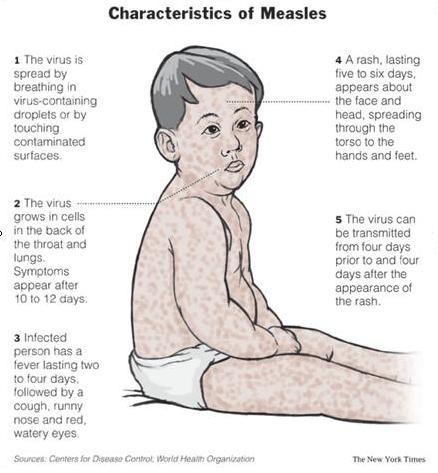
The Measles virus is spread through the air via droplets from  someone coughing or sneezing, making crowded and enclosed places like stadiums, airplanes, dorms, schools, and urban cities prime location for its transmission. It infects your lungs first before moving to your lymphatic system, where it then spreads throughout the rest of your body. Once you’ve been infection anywhere from 8 to 12 days can pass before you begin to show symptoms. This is one reason why it is so communicable. People who do not know they are infected can spread it to their families, coworkers, and anyone else they come in contact with without even knowing it. You become contagious 1 day before symptoms appear and up to 4 days after the rash subsides.

What are the signs and symptoms?

Infected persons will experience a runny nose, irritability, red eyes, cough and fever. The disease is characterized by small grayish white spots in the mouth and throat, and a blotchy red rash that spreads from the face down until it covers the body. The virus suppresses your immune system. As a result, a secondary bacterial infection could develop, this can be treated with antibiotics, but measles itself has no cure. Only the symptoms can be managed; drugs to lower fevers, and fluids to maintain hydration. Once you’ve had measles, you cannot get it again, if you survive you will acquire life long immunity. There are however some complications that could arise from the Measles such as, pneumonia and encephalitis, which can be fatal.
measles2

Measles Outbreaks

My generation grew up with chickenpox, similarly previous generations routinely got childhood diseases like measles, mumps, rubella, polio, and scarlet fever. Polio has been eradicated, and now there is a vaccine against chickenpox. With the advent of the first Measles vaccine in 1963 and the subsequent MMR(measles, mumps, and rubella) vaccine in 1972, a mass campaign was set out to immunize all school age children. Measles was on its way to being eradicated in the Western hemisphere, until 1998 when Dr. Andrew Wakefield published an article in the Lancet claiming an association between vaccines and, autism and bowel disease. It was later withdrawn from the journal, found to be erroneous, and further disproven by the science community. However, the media did not spread the good news, parents became fearful, and the anti-vaccination movement was birthed.

There have been several Measles outbreaks before. From 1989 to 1991 more than 55,ooo cases were reported with 130 resulting in death. Then again from 1993-1995 there was about 300 more cases reported in the U.S. in which victims were unvaccinated. In 2005 and 2006 there were outbreaks in Indiana, and Boston respectively. Current strains  stem from Europe an Asia, where the disease still occurs. In 2013, there was an increase in Measles outbreaks in England, France, and Spain. So, travelers from other countries that do not immunize can bring in the disease, and traveling un-vaccinated can also expose you to the Measles while abroad.

Even if you are vaccinated, you can still get Measles. Yes, you read correctly, you can still get Measles if you have been vaccinated, however if you do it will be much milder. The reason for this, is as you age the immunity you gained from your childhood vaccination may wane, or decrease. The amount that this happens differs from person to person, and can only be assessed by your doctors. This is the reason you have heard medical officials suggest a booster shot for adults as a result of the recent outbreak. It is not a scheme for “big pharma” to make more money. Another reason is that some people who have been vaccinated never acquired immunity, this doesn’t happen often, and to prevent this from occurring a 2 dose vaccine has been employed. The first is given as early 1 year of age to the start of pre-k/kindergarten. The second dose can be given any time after. However, of those recently infected, most were of the population that has not been vaccinated. Those who have been vaccinated will have protection for at least 27 years. Some people are not vaccinated for good reason. These include, cancer patients, those with HIV/AIDS, and other immunosuppressive illnesses, pregnant women, and babies under 1 year of age. Newborns acquire immunity from their mothers, this immunity however is only short-lived.

Thus far, measles outbreaks have occurred recently in the U.S., Canada, and Mexico. It was once near complete eradication in the western hemisphere and other developed countries, it’s still a major problem in Africa and the East. There are efforts worldwide to eliminate this disease completely. As long as human hosts exist whom are capable of carry and spreading the disease there will be outbreaks. This is why vaccine compliance is required. As vaccinations go down, those with natural immunity die off (people who had it and survived), and the immunity of an aging population wanes, heard immunity goes down. With heard immunity lowered, the virus has the chance to spread and infect those who are susceptible and unvaccinated.  The good news is that once an outbreak has passed through a community, all those who have been exposed will become immune for life, and those who have been vaccinated will have their immunity boosted naturally.

Hello Hookah

You’ve probably noticed the obnoxious smell of contraband in the air, your hair and your clothes while visiting a club, bar, or lounge has been suddenly replaced with the sweet smoldering scent of Hookah. Gone are the days of the disk jockey abruptly stopping the music to announce that management will shut down the party if, the owner of some offensive ganga smoke doesn’t extinguish his ‘spliff” immediately. So how did this come to be, how did Shisha replace Maryjane on the dance floor? Is she the new slimmer sexier safer cigarette or something more sinister and insidious?

Hookah also known  as shisha, and commonly referred to as waterpipe smoking is a combination of tobacco, water, and charcoal smoked through a waterpipe. Although novel, mysterious, and exotic to many in the U.S.A. is has been smoked for centuries primarily by men in the Middle East, eastern Mediterranean , and parts of Asia like India. During the 1990’s fancy flavored tobacco was introduced and the hookah experience began to explode. All sorts of exotic fruity flavors, and sultry perfumed fragrances captured the senses of young women, and collage aged adolescents and young adults.

I still remember when my roommates would go down to the Village in Manhattan to secluded hookah lounges where they could be hip and trendy. Now hookah is at any and every venue imaginable. It’s now the accepted and expected thing to do while on the scene these days. It’s commonly perceived as being a safe and noncriminal alternative to smoking cigarettes or weed People say “it’s just flavored water vapor” or that “the water filters out the bad stuff”. Is this true though? Why buzz would you get from smoking mist anyway?

In actuality, hookah contains the same harmful chemicals as cigarettes such as nicotine, tar, carbon monoxide, and formaldehyde. Just like with traditional smoking, it carries a risk of cancer, but with the added risks of infectious disease. Sharing a mouthpiece or pipe can transmit tuberculosis and other respiratory infections. In habitual users, research has shown an increase  in heart rate  blood pressure, and bronchitis. Long term use can result in cancer and chronic obstructive pulmonary disease, because  of the tar, nicotine, and fine particulate matter released from the burning coal and tobacco.

Hookah has not been regulated by the FDA in the U.S. so there are no warnings labeled at sale. Due to the current lack of government regulation many people assume it is safe. The EPA and National Toxicology Program warn against the adverse affects of hookah, its second-hand smoke, and addictive propensity. Organizations like the Society of Toxicology are working to education the public and push for more research and government control. The reality is that a rose by any other name is still a rose. Hookah is the new cigarette in a sexier dress and better perfume.