The Silent Killer Strikes again: Carbon Monoxide

I was just talking to my mentor about my blog last Wednesday.  I was telling him that I planned to add an article on Carbon Monoxide poisoning; based on an experience I had renting a basement a few years ago. I was debating in my head if that story would be of any interest to anyone, because no one ever talks about carbon monoxide. You hear a whole lot about carbon dioxide and global warming, but nothing about carbon monoxide, so I wondered about its relevance. Then almost as if I was being divinely inspired, news reports came out a few days later about two separate families who had died as a result of carbon dioxide poisoning. So I’m going to talk a little about those reports, my own experience, and then go into detail about carbon dioxide, because recent events prove, just what I had said to my mentor – people just don’t know…they just don’t understand…carbon monoxide can kill  you. Continue reading

Water to Wine : Arsenic contamination

Toxic wine lawsuit

In recent news, 24 California wineries are being sued for selling arsenic laden wines. According to the news reports, 3 independent laboratories were asked to test over a thousand wines, of which over 80 were shown to contain elevated levels of arsenic. In some cases arsenic concentrations were as high as five times the maximum allowed concentration permissible in drinking water. Drinking water is being used as the standard because the United States does not have any legislation regulating the arsenic content of wine. You might be wondering, why wine producers would knowingly sell wine containing arsenic, whether they put the arsenic in the wine, and how this might affect your future wine consumption endeavors. Before you throw your bottles (or boxes for the matter) of wine down the drain lets explore this situation further.

What is  Arsenic?

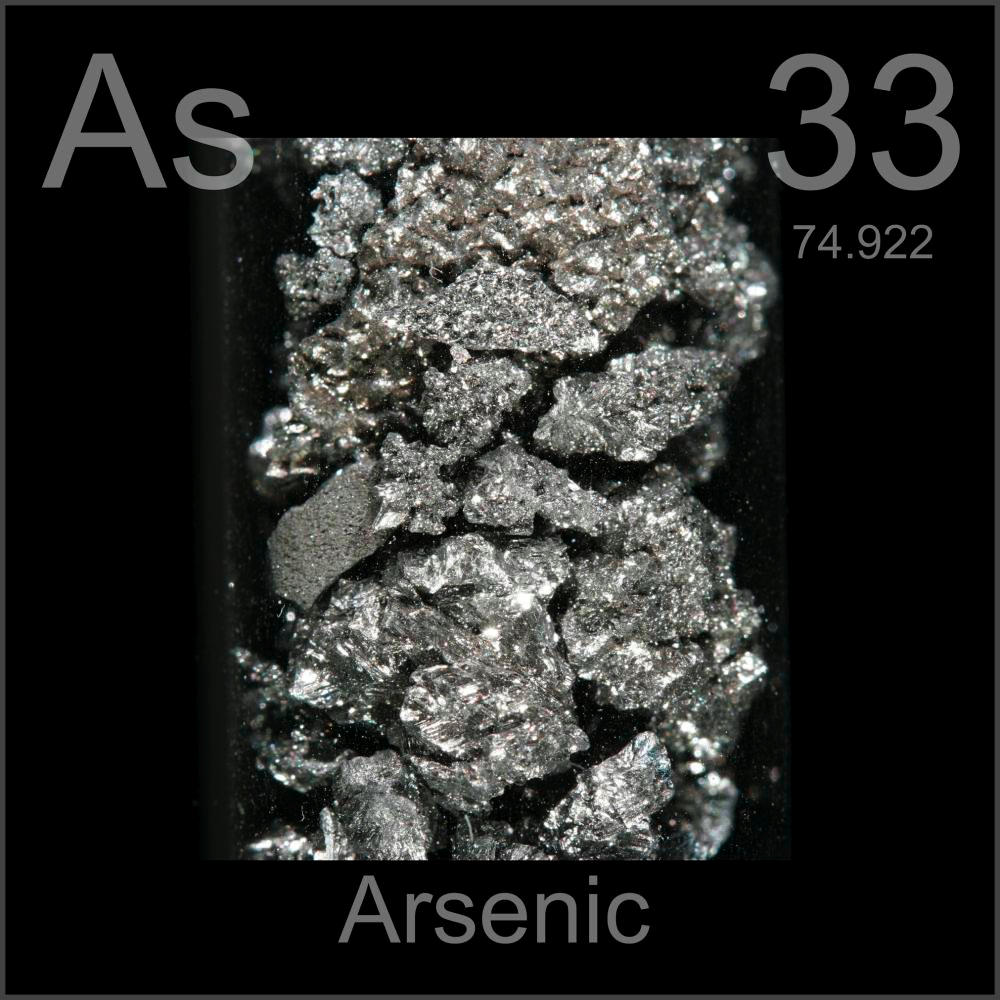
Arsenic is a metalloid naturally found in the earths crust. Inorganic and organic forms are released from the environment by anthropogenic use – by peoarsenicple during production of metal alloys, microelectronics, and agriculture. Historically it has been used in fertilizers, in pesticides, in medicines, and in the preservation of wood (like pentachlorophenol ). Worldwide Arsenic exposure is a major environmental and occupational public health issue.

How Arsenic Gets into Wine.

In actuality Arsenic is usually present in wine. This is a direct result of the use of arsenic containing pesticides for grape production. As a result of this use arsenic is present in  soil and  water; contaminating fruits and ground water. The World Health Organization established as a guideline, the maximum concentration of arsenic in drinking water; 10 micrograms per liter.  The major component of arsenic is wine in the inorganic form, which happens to be more toxic than the organic form, however the arsenic content of wine is generally low ( < 10 ppb). Interestingly enough arsenic is also present in beer.

Wine made from grapes that have ripened on the vine longer have a higher amount of arsenic. This makes sense because they have been allowed to take up more arsenic from the soil and water they are grown in. In  addition, the acidity of soil or of wine itself keeps arsenic stable.  Prolonged fermentation during the production of wine could however decrease the presence of arsenic in the final product due to volatilization and sedimentation. Essentially, the fermentation process allows for arsenic to be transformed into other arsenic species that may be less harmful, and easier to remove.

Arsenic toxicity

arsenic2

The amount of arsenic present in wine is  not enough to be immediately toxic. In other words it won’t result in death, however it will result in the excess intake of the element in wine drinkers. The most common routes of exposure to arsenic are oral (drinking water and food ) and inhalation (arsine gas).

The U.S. EPA (environmental protection agency) classifies arsenic as the number one carcinogen. Chronic exposure is known to cause cancers of the skin, lung, bladder, kidney, and liver. It also predisposed humans to the development of cardiovascular disease, diabetes, pulmonary diseases, and neurological impairment. Hallmarks of chronic arsenic toxicity are skin lesions; hyperpigmentation and keratosis.

Arsenic can be detected in the urine, and is a good indicator of exposure within 1-2 days of ingestion. Fingernails and hair can be used to detect acute (sudden large doses) exposure to arsenic up to 6 to 12 months after exposure.  The only treatment for acute arsenic toxicity is to treat the symptoms. Chelation therapy is limited in its ability as it may reduce the amount of arsenic in the body, but it won’t undo the harm that is already done.

Summary

California wine producers have rebutted that the lawsuit is egregious and might result in an unnecessary loss of confidence by consumers in wineries. In all honesty, only approximately 6 percent of the wines tested were shown to contain high levels of arsenic. Although the U.S. does not have any laws regulating arsenic levels in wine, the European union does. Wine producers assert that they maintain these guidelines as standards in their production. Also, the wines that are most culpable are cheap wines; like box wines. Buying quality expensive wine will reduce your risk of being exposed to high levels of arsenic, this is likely true, due to longer fermentation (aging), and better processing; such as filtration and removal of pulp. It might be wise for there to be government regulation and monitoring of arsenic levels in wines produced and sold in the United States. The issue of arsenic being present in wine is not unique to American wines, it also occurs in European wines and to a lesser extent; beer. It may be impossible to remove all arsenic from wine and even water for that matter, what is important is that it not be present in quantities that exceed those to which pose no significant harm to human health.

“PENTA”…More than greek for the number 5.

I was watching the news a little over a week ago when I heard them talking about something called “penta” that was being applied to telephone/electric poles and that senator Chuck Schumer was upset about it possibly getting into the groundwater. For the life of me, I had no idea was they were talking about, but I did know that “penta” could not be the proper name for the chemical in question. I tried googling “penta + chemical” and I got nothing meaningful in the way of results. So, I went to my mentor and said “what is this chemical they are painting onto wood poles that has everyone so upset? I can’t remember the name they called it on the news, but it sounds incomplete.” He said oh yes, a wood preservative, they have been using it for years”.

So what is “Penta”

Penta is a synonym for the chemical Pentachlorophenol that is currently used as a wood preservative. It is an organochlorine pesticide, okay, why didn’t they just say so? I know all about organochlorines and their toxicity! I’m guessing, they didn’t really know much about what they were covering, they just knew it was important, and sounded bad.

Is Pentachlorophenol (PCP) bad?

Since the 1980’s the use of PCP has been restricted in the United States, and it’s use and manufacture is banned in several countries, such as Germany, throughout the world. In the U.S. it is only manufactured by one company – Vulcan chemicals. The problem is that it is a major, ubiquitous (found everywhere), environmental contaminate. It’s presence in groundwater and soil causes the most concern, because it can get into foods such as fruits, vegetables, and grain, as well as into drinking water. This is mostly due to its previous widespread use in agriculture and as a pesticide, where it was also available for  commercial use in and around homes and gardens. It was first registered as a wood preservative in the U.S. during the 1930’s. It has also been registered for use as an insecticide, herbicide, algicide, fungicide, germicide, and molluscicide . Pretty much it’s a biocide, meaning it kills a lot of different living things. Common exposure to the chemical by humans won’t result directly in death, but it can cause substantial harm. It is toxic to both animals and humans in acute and long-term exposures. Meaning, that if you are exposed to large amounts at one time, or if you are exposed to low amounts over a long period of time, it could have serious negative affects on your health.

What are the side affects of PCP and how are you exposed?

The type of exposure describes above can result in liver, kidney, blood, lung, nervous system, immune system, and gastrointestinal disease. This is due to the chemicals ability to disturb energy metabolism in the body (the way ATP is used) that leads to energy being  redirected into heat production.  As a result, acute signs and symptoms of exposure to PCP are tachycardia (fast heart beat), increased respiratory rate, fever, metabolic acidosis, and perfuse sweating. More serious complications are: aplastic anemia, leukemia, Hodgekins disease, and non-Hodgekins lymphoma. You can be exposed to PCP through 3 routes: oral, dermal, and inhalation. You can breathe in the vapors that are evaporating from wood poles or you can inhale its dust particles. You can also absorb it through your skin if you come in contact with it by touching or leaning onto a surface treated with PCP. Orally, you can be exposed to PCP by ingesting it from food or drinking water; children  by eating soil. If you live in a house (mostly log cabins) that has wood treated with PCP you are at higher risk of exposure through inhaling its vapors or breathing it dust particles from wood splintering and chipping away.  If you live near a hazardous waste site that disposes of PCP, or factory that manufactures it you are also at higher risk of exposure. Burning PCP treated logs can cause eye and respiratory tract inflammation because it produces an irritating and toxic gas.

In Summary

Pentachlorphenol is a synthetic chlorophenol chemical containing 5 chlorine molecules, along with carbon, oxygen, and hydrogen.  Listed as a probable human carcinogen, its use is regulated and only permissible to certified applicators. It is predominately used for the treatment of wood and in railroad ties, cross arms, and fence posts. It is no longer available for use by the general public or as a pesticide, thereby its prevalence in the environment has since declined significantly. It is degraded by sunlight in the air and surface water, and by microbes and organisms in soil. However effluents from factories and waste sites still present a source by which PCP can enter the environment. The most significant risk exposure is occupational, meaning that workers who apply or manufacture PCP are most at likely to suffer harm. You can reduce your exposure by washing and peeling fruits and vegetables. The Food and Drug Administration monitors PCP levels in food and it is not shown to buildup in the food chain. It is eliminated from your body via urine, but can be measured in your blood and found in your body fat.