Whatever Happened to the Hole in the Ozone Layer?

I remember back many years ago, back in elementarystrato1 school the teachers told us about a very scary monster called the HOLE in the OZONE LAYER! In class we discussed how the ozone layer; which protects the earth from radiation was disappearing. The result would be that the earth would get really hot and we would suffer from skin cancer and blindness. Yes, a very scary monster indeed! Then there was nothing, no more news coverage, no one talked about, no one seemed to even remember it ever existing. The big issue slowly shifted to global warming and carbon dioxide, but what ever happened to the hole in the ozone layer?

Ozone layer

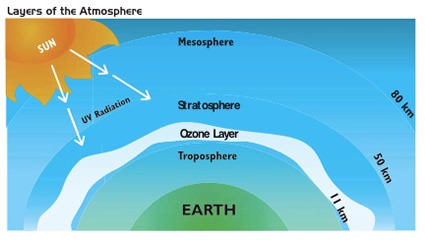
The ozone layer is located in the upper atmosphere, in a region known as the stratosphere. It is comprised of ozone – three oxygen molecules, and is responsible for shielding the earth and its inhabitants against cosmic ultraviolet radiation.strato2

In the early 1980’s a hole in the ozone layer was detected above Antarctica, and increased levels of UV-B light were reported in various other regions. The cause of this was a thinning of ozone layer, and the suspected culprit was a group of chemicals that upon photolysis; released chlorine and bromine atoms in to the stratosphere. Once broken down by sunlight, the atoms interact in a catalytic chain reaction that release oxygen atoms, thereby breaking down the ozone layer.

Methyl Bromidemethylbromide
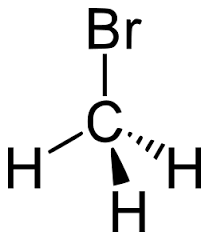
Just a few weeks ago, a family was poisoned in the U.S. Virgin island by what turned out to be a toxic pesticide known as methyl bromide. A toxic broad spectrum fumigant, methyl bromide is primarily used in agriculture to control microorganisms, weeds, and nematodes in soil and on grain stored in silos.  This is done to prevent crops from being destroyed.  Fumigants like methyl bromide are liquids that readily vaporize at ambient temperature. They are so volatize that their gas can escape even when used in enclosed spaces. This is how the Delaware family became poisoned, when the vapors from a room sprayed  with the pesticide below them travelled upwards. Methyl bromide is known to be a potent neurotoxicant, but what is not commonly known is that in 1993, it was classified in the U.S. as a class 1 stratospheric ozone-depleting substance.

Methyl bromide is one of the  chemicals responsible for the hole in the ozone layer. The heavy colorless gas is often odorless, but at very high concentrations it has a sweet chloroform-like smell. It was first introduced in the 1800’s as a fire suppressant, by the 1920’s it was being used in fire extinguishers, but due to toxic poisonings it was withdrawn from this use in the 1960’s. It was also used as a refrigerant, but is use as an insecticide has continued; although restricted.

Methyl bromide reacts in the stratosphere where bromine is liberated. Bromine then reacts with ozone to from oxygen and bromine oxide, thereby depleting the ozone layer. As part of the Montreal Protocol it was scheduled to be phase out of use, but several times amendments have been made allowing for its continued use in certain locations and situations.

Chlorofluorocarbons – CFC’schlorofluorocarbons

CFC’S were developed in the 1930’s and have low toxicity and are non-flammable. They were commonly used as refrigerants(Freon) and propellants in aerosol mixtures such as hairsprays . CFC’s were predicted to be an ozone depleting substance in the 1970’s, and in 1987 as part of the Montreal Protocol over 160 nations  agreed to reduce production and use of CFC’s. They are very stable chemicals that can persist in the atmosphere for years, allowing them to cause damage to the ozone layer for decades. One chlorine atom can destroy several thousand ozone molecules in the stratosphere. For this reason they have been phased out and replaced with less harmful hydrofluorocarbons (HFC’s) and hydrocarbonfluorocarbons (HCFC’s). While the hydrogen in HFC’s and HCFC’s minimize the transport of chlorine-containing compounds from rising into the stratosphere, they can still contribute to ozone destruction.

In short

Ozone layer depletion was the consequence of certain air pollutants. As part of the Montreal Protocol and the Clean Air Act, the United States has ended its production of CFC’s and other ozone-depleting substances such as methyl bromide. Since these pollutants have been minimized and the current content in the stratosphere is degrading overtime, the ozone-layer has begun to replenish itself.

The Silent Killer Strikes again: Carbon Monoxide

I was just talking to my mentor about my blog last Wednesday.  I was telling him that I planned to add an article on Carbon Monoxide poisoning; based on an experience I had renting a basement a few years ago. I was debating in my head if that story would be of any interest to anyone, because no one ever talks about carbon monoxide. You hear a whole lot about carbon dioxide and global warming, but nothing about carbon monoxide, so I wondered about its relevance. Then almost as if I was being divinely inspired, news reports came out a few days later about two separate families who had died as a result of carbon dioxide poisoning. So I’m going to talk a little about those reports, my own experience, and then go into detail about carbon dioxide, because recent events prove, just what I had said to my mentor – people just don’t know…they just don’t understand…carbon monoxide can kill  you. Continue reading

Unhealthy Bread

Gluten-free has become the way to be. The gluten-free market has boomed, in 2010 annual sales of gluten-free food products were estimated  to be $2.5 billion in the United State alone. It seems like everyone is talking about gluten and even worrying whether it is in their toiletries and cosmetics. Perhaps it’s because of the recent trend to “go green” and eat “organic”, that many people think that eating gluten is inherently bad for you. However, a gluten-free diet may not be necessary for you at all.

What is Gluten?

Gluten is a general name for a mixture of storage proteins found in wheat, rye, and barley. The group comprises of two types of protein; Glutenins (alcohol-insoluble) and Prolamins (alcohol-soluble). Prolamins are a group of proline and glutamine (amino acids) rich proteins that resist digestion in the stomach and intestine. The prolamins found in wheat, rye, and barley are gliadin, secalin, and hordein respectively. Continue reading

HIV IS STILL AN EPIDEMIC?!

It  has recently been broadcast that there has been an outbreak of HIV in the state of Indiana. Governor Mike Pence declared the situation a state public health emergency, as he announced a HIV epidemic for Scott County, Indiana. This however is not the only region in the U.S. that is experiencing an increased incidence of HIV infections; Atlanta Georgia has also recently seen new cases at epidemic proportions. According to and article in Atlanta Daily World, “Atlanta ranks number one among U.S. cities when it comes to the rate of new HIV cases diagnosed”. What’s most disturbing, is that the article states that ” by the time patients are diagnosed in Atlanta, almost one -third have advanced to clinical AIDS”.

HIV the virus that causes AIDS has been around now for over 30 years, and although there still is no cure, the disease has become manageable – to the point of being considered a chronic disease. So, the last thing you’d expect to hear is that there is an ‘epidemic’ of the virus right here in America. You might be surprised because the once mass hysteria and phobia surrounding the disease has been sociably ameliorated.  Public health awareness campaigns rightfully designed to erase the stigma – that prevented many people from being tested and seeking treatment, have been largely successful. Why then is this happening now? What can we learn from this current news about a 3 decade old plague? Continue reading

Congratulations “Medschool”

It seems that certain professions may indeed run in families. Asides from myself, being a scientist, I have two older sisters in the field of health.  In this post, I’d like to congratulate my sister Terriann on becoming a medical doctor!  Perhaps one day the scientist, the nurse practitioner,  and the doctor can open our own clinic. Here are a few picture from her White Coat Ceremony:

10154978_10206425950191864_1419688224140386183_n

10947336_10206444320051099_1134710844167012727_n10430482_1100370416655649_2543018349850167807_n


Dr. Terriann Nicholson will be graduating from Howard University this May, and going on to a residency at Columbia this summer. I’m just glad to have her back in New York.

11059677_10100733683818595_1408099643686629778_n

Water to Wine : Arsenic contamination

Toxic wine lawsuit

In recent news, 24 California wineries are being sued for selling arsenic laden wines. According to the news reports, 3 independent laboratories were asked to test over a thousand wines, of which over 80 were shown to contain elevated levels of arsenic. In some cases arsenic concentrations were as high as five times the maximum allowed concentration permissible in drinking water. Drinking water is being used as the standard because the United States does not have any legislation regulating the arsenic content of wine. You might be wondering, why wine producers would knowingly sell wine containing arsenic, whether they put the arsenic in the wine, and how this might affect your future wine consumption endeavors. Before you throw your bottles (or boxes for the matter) of wine down the drain lets explore this situation further.

What is  Arsenic?

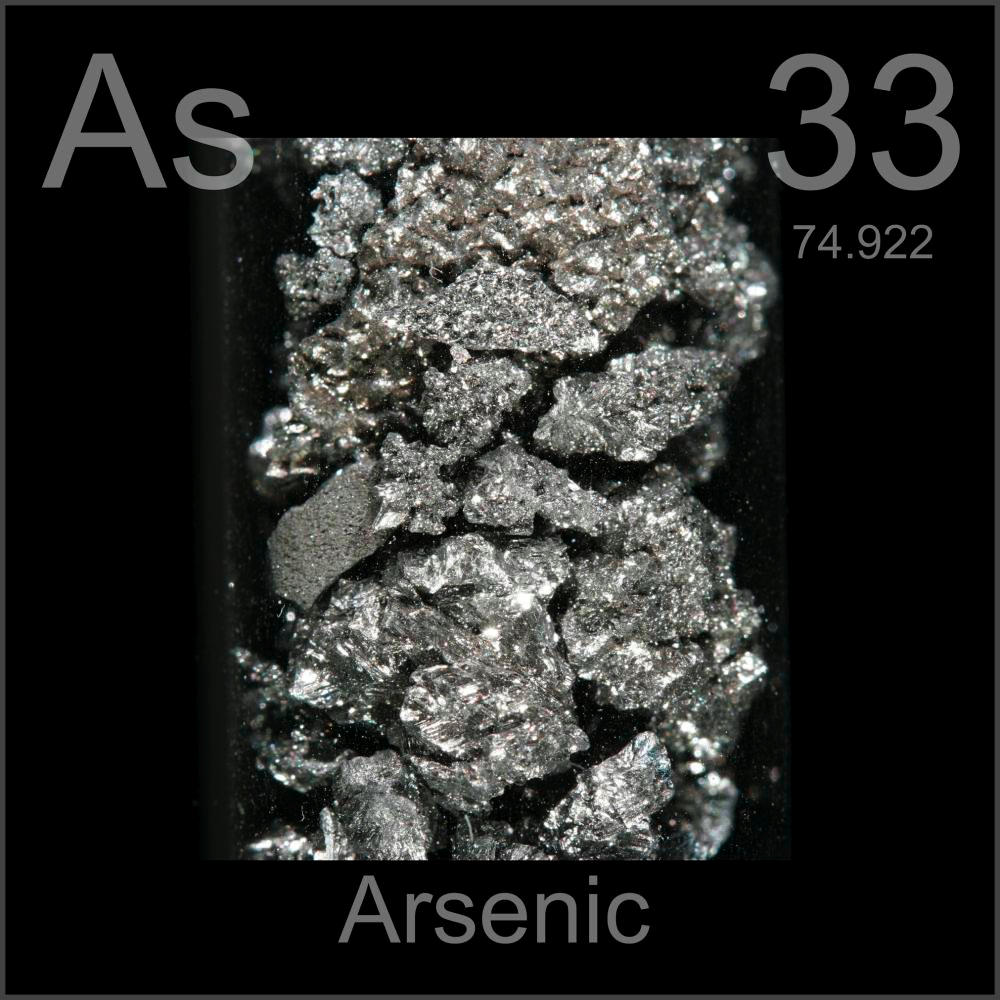
Arsenic is a metalloid naturally found in the earths crust. Inorganic and organic forms are released from the environment by anthropogenic use – by peoarsenicple during production of metal alloys, microelectronics, and agriculture. Historically it has been used in fertilizers, in pesticides, in medicines, and in the preservation of wood (like pentachlorophenol ). Worldwide Arsenic exposure is a major environmental and occupational public health issue.

How Arsenic Gets into Wine.

In actuality Arsenic is usually present in wine. This is a direct result of the use of arsenic containing pesticides for grape production. As a result of this use arsenic is present in  soil and  water; contaminating fruits and ground water. The World Health Organization established as a guideline, the maximum concentration of arsenic in drinking water; 10 micrograms per liter.  The major component of arsenic is wine in the inorganic form, which happens to be more toxic than the organic form, however the arsenic content of wine is generally low ( < 10 ppb). Interestingly enough arsenic is also present in beer.

Wine made from grapes that have ripened on the vine longer have a higher amount of arsenic. This makes sense because they have been allowed to take up more arsenic from the soil and water they are grown in. In  addition, the acidity of soil or of wine itself keeps arsenic stable.  Prolonged fermentation during the production of wine could however decrease the presence of arsenic in the final product due to volatilization and sedimentation. Essentially, the fermentation process allows for arsenic to be transformed into other arsenic species that may be less harmful, and easier to remove.

Arsenic toxicity

arsenic2

The amount of arsenic present in wine is  not enough to be immediately toxic. In other words it won’t result in death, however it will result in the excess intake of the element in wine drinkers. The most common routes of exposure to arsenic are oral (drinking water and food ) and inhalation (arsine gas).

The U.S. EPA (environmental protection agency) classifies arsenic as the number one carcinogen. Chronic exposure is known to cause cancers of the skin, lung, bladder, kidney, and liver. It also predisposed humans to the development of cardiovascular disease, diabetes, pulmonary diseases, and neurological impairment. Hallmarks of chronic arsenic toxicity are skin lesions; hyperpigmentation and keratosis.

Arsenic can be detected in the urine, and is a good indicator of exposure within 1-2 days of ingestion. Fingernails and hair can be used to detect acute (sudden large doses) exposure to arsenic up to 6 to 12 months after exposure.  The only treatment for acute arsenic toxicity is to treat the symptoms. Chelation therapy is limited in its ability as it may reduce the amount of arsenic in the body, but it won’t undo the harm that is already done.

Summary

California wine producers have rebutted that the lawsuit is egregious and might result in an unnecessary loss of confidence by consumers in wineries. In all honesty, only approximately 6 percent of the wines tested were shown to contain high levels of arsenic. Although the U.S. does not have any laws regulating arsenic levels in wine, the European union does. Wine producers assert that they maintain these guidelines as standards in their production. Also, the wines that are most culpable are cheap wines; like box wines. Buying quality expensive wine will reduce your risk of being exposed to high levels of arsenic, this is likely true, due to longer fermentation (aging), and better processing; such as filtration and removal of pulp. It might be wise for there to be government regulation and monitoring of arsenic levels in wines produced and sold in the United States. The issue of arsenic being present in wine is not unique to American wines, it also occurs in European wines and to a lesser extent; beer. It may be impossible to remove all arsenic from wine and even water for that matter, what is important is that it not be present in quantities that exceed those to which pose no significant harm to human health.

“PENTA”…More than greek for the number 5.

I was watching the news a little over a week ago when I heard them talking about something called “penta” that was being applied to telephone/electric poles and that senator Chuck Schumer was upset about it possibly getting into the groundwater. For the life of me, I had no idea was they were talking about, but I did know that “penta” could not be the proper name for the chemical in question. I tried googling “penta + chemical” and I got nothing meaningful in the way of results. So, I went to my mentor and said “what is this chemical they are painting onto wood poles that has everyone so upset? I can’t remember the name they called it on the news, but it sounds incomplete.” He said oh yes, a wood preservative, they have been using it for years”.

So what is “Penta”

Penta is a synonym for the chemical Pentachlorophenol that is currently used as a wood preservative. It is an organochlorine pesticide, okay, why didn’t they just say so? I know all about organochlorines and their toxicity! I’m guessing, they didn’t really know much about what they were covering, they just knew it was important, and sounded bad.

Is Pentachlorophenol (PCP) bad?

Since the 1980’s the use of PCP has been restricted in the United States, and it’s use and manufacture is banned in several countries, such as Germany, throughout the world. In the U.S. it is only manufactured by one company – Vulcan chemicals. The problem is that it is a major, ubiquitous (found everywhere), environmental contaminate. It’s presence in groundwater and soil causes the most concern, because it can get into foods such as fruits, vegetables, and grain, as well as into drinking water. This is mostly due to its previous widespread use in agriculture and as a pesticide, where it was also available for  commercial use in and around homes and gardens. It was first registered as a wood preservative in the U.S. during the 1930’s. It has also been registered for use as an insecticide, herbicide, algicide, fungicide, germicide, and molluscicide . Pretty much it’s a biocide, meaning it kills a lot of different living things. Common exposure to the chemical by humans won’t result directly in death, but it can cause substantial harm. It is toxic to both animals and humans in acute and long-term exposures. Meaning, that if you are exposed to large amounts at one time, or if you are exposed to low amounts over a long period of time, it could have serious negative affects on your health.

What are the side affects of PCP and how are you exposed?

The type of exposure describes above can result in liver, kidney, blood, lung, nervous system, immune system, and gastrointestinal disease. This is due to the chemicals ability to disturb energy metabolism in the body (the way ATP is used) that leads to energy being  redirected into heat production.  As a result, acute signs and symptoms of exposure to PCP are tachycardia (fast heart beat), increased respiratory rate, fever, metabolic acidosis, and perfuse sweating. More serious complications are: aplastic anemia, leukemia, Hodgekins disease, and non-Hodgekins lymphoma. You can be exposed to PCP through 3 routes: oral, dermal, and inhalation. You can breathe in the vapors that are evaporating from wood poles or you can inhale its dust particles. You can also absorb it through your skin if you come in contact with it by touching or leaning onto a surface treated with PCP. Orally, you can be exposed to PCP by ingesting it from food or drinking water; children  by eating soil. If you live in a house (mostly log cabins) that has wood treated with PCP you are at higher risk of exposure through inhaling its vapors or breathing it dust particles from wood splintering and chipping away.  If you live near a hazardous waste site that disposes of PCP, or factory that manufactures it you are also at higher risk of exposure. Burning PCP treated logs can cause eye and respiratory tract inflammation because it produces an irritating and toxic gas.

In Summary

Pentachlorphenol is a synthetic chlorophenol chemical containing 5 chlorine molecules, along with carbon, oxygen, and hydrogen.  Listed as a probable human carcinogen, its use is regulated and only permissible to certified applicators. It is predominately used for the treatment of wood and in railroad ties, cross arms, and fence posts. It is no longer available for use by the general public or as a pesticide, thereby its prevalence in the environment has since declined significantly. It is degraded by sunlight in the air and surface water, and by microbes and organisms in soil. However effluents from factories and waste sites still present a source by which PCP can enter the environment. The most significant risk exposure is occupational, meaning that workers who apply or manufacture PCP are most at likely to suffer harm. You can reduce your exposure by washing and peeling fruits and vegetables. The Food and Drug Administration monitors PCP levels in food and it is not shown to buildup in the food chain. It is eliminated from your body via urine, but can be measured in your blood and found in your body fat.

Book Review: the Disappearing Spoon…

The Disappearing Spoon– by Sam Kean …and other true tales of madness, love, and the history of the world from the periodic table of the elements.

disappearingspoon

Back Cover

Why did Gandhi hate iodine (I, 53)? How did radium nearly ruin Marie Curie’s reputation? And why is gallium (Ga, 31) the go-to element for laboratory pranksters?*

The periodic table is a crowning scientific achievement ,but it’s also a treasure  trove of passion, adventure, betrayal, and obsession. These fascinating tales follow all the elements on the table as they play out their parts in human history, fiancé, mythology, conflict, the arts, medicine, and the lives of the (frequently) mad scientist who discovered them. The Disappearing Spoon masterfully fuses science with the classic lore of invention, investigation, discovery, and alchemy, from the big bang through the end of time.

samkean
Sam Kean reading his book for an audience

My Review

I first read this national bestseller a few years ago. Yes, I know I said the same thing about the last book I reviewed; that just happened to be during the time I was applying for doctoral programs, and as a result spent a lot of time in Barnes and Nobles using up their free Wi-Fi. Anyhow, back from my tangent, this book was fascinating and fun to read.

What makes it fascinating is that it is pretty-much  history through the lens of the periodic table. It’s the interesting stories they never told you in science class, and had they, you might have paid more attention, or even developed a fond and respectable interest in chemistry. You will never look at the periodic table of elements the same way, if you remember every story, which you probably won’t, but that is the reason I bought the book.

I read the book over the course of about 3 days, I hid it in the book shelves for the first two days, but then I became afraid that it would be sold or taken off the shelves (as happened often), before I could finish it, so I ended up buying it. I’ve re-read a few chapters recently, so that I could give you guys a good review. I liked it, I think you will too. It’s definitely a great gift for a teenager, who say’s science is boring.

What Ever Happend to Ebola?!

In March of 2014 the World Health Organization (WHO) announced the outbreak of Ebola in Guinea. Subsequently, the disease spread to Guinea’s bordering countries; primarily Sierra Leone and Liberia.  Then it spread to Nigeria and Senegal, and a few cases were imported to Spain and the U.S. by way of missionary work in certain parts of Africa. It was during this spread outside of Africa that mass media coverage became frenzied and Americans flew into a panic. People were calling for closed borders, African immigrants were being ridiculed, heated racial debates surrounding Zmapp arose, and people on a whole were afraid of it hitting their city. Then all of a sudden there was quiet, so what happened to Ebola? Well, nothing happened to it, it’s still there as it’s been for about 4 decades since its first reported outbreak in 1976. Ebola has actually broken out 16 times since, the difference now is that this outbreak is the largest outbreak of Ebola ever. Contrary to popular belief  it is actually the first outbreak of Ebola in West Africa! Never before had it broken out in such populated regions; allowing for it to be more easily spread.

What is Ebola?

Ebola is a virus in the family of Filoviridae along with Marbug virus, that causes Hemorrhagic Fever. The virus leads to hemorrhaging by causing the body to lose the ability for your blood to clot, through multiorgan damage and drop in blood pressure. There are actually several Ebola viruses: Sudan Ebola, Zaire Ebola, Cote D’Ivoire Ebola, and Bundibugyo Ebola.  They are all distinct species of Ebolavirus. The virus got its name from a small river in northwestern Democratic Republic of the Congo (DRC).

History

In 1976 the first cases of  Ebola were documented in Sudan and DRC (formerly Zaire), regions of Central Africa;  where it is endemic.  Then came Cote D’Ivoire Ebola in 1994; a third species. The latest type of Ebola to emerge was Bundibugyo Ebola in 2007. All of these species of Ebola are known to cause Hemorrhagic fever in humans and non-human primates. There is another Ebola virus called Reston Ebola virus that unlike the others is  not known to infect humans, and originates outside of Africa. Found in the Philippines, Reston Ebola infects monkeys and pigs.  The recent 2014 outbreak was caused by Zaire Ebola, one of the most deadly forms.

outbreak-distribution-map
http://www.CDC.gov

Myths and Misunderstanding

Some people mistake Ebola for an airborne disease because of how easily it is transmitted. However, it is can only be contracted through direct contact with an infected person bodily fluid such as blood, saliva, nasal discharge, and even semen.

Since it is spread through bodily fluid, another misconception is that the virus is like HIV; the two viruses are not related in any way. Ebola can kill you in a matter of days to weeks, HIV cannot. HIV is primarily spread through sexual intercourse or must enter your bloodstream (needle-use) in order for you to be infected. Ebola can be transmitted via oral administration, such as eating raw or undercooked meat from bats, which act as a reservoir for the virus.

A major controversy arose after the investigational vaccine ZMAPP was administered to Kent Brantly, MD. Many people feared that the government or pharmaceutical companies were withholding a cure from the general public. After a black man seeking treatment fled to the U.S. died from the infection, some people claimed he was denied the vaccine because of his race, and further erroneous claims came forth that the vaccine only works in caucasians. Three Liberian doctors also received the investigational vaccine, one still died. There are no current preventative or curative medicines against Ebola approved for human use.

What now?

The Majority of victims of this latest Ebola outbreak were in West Africa. As of October 2014, according to WHO 8,914 infections had been documented and  of those 4,447 were fatal. Ebola remains a global public health threat due to lack of treatment and it being a “high-mortality” disease. In previous decades, because outbreaks were rare and confined to remote areas there was little interest by companies to undergo the costly development of a vaccine. However, with increasing and recurring resurgences, the possibility of imported infections, and the potential misuse of the virus as a bioterrorist agent, several pharmaceutical companies are in the early stages of developing a treatment for Ebola Hemorrhagic Fever.  The best method of control is to confine the disease when it presents itself , treat the symptoms and supply supportive care to patients, and educate public health officials and agencies on methods to mitigate the spread of the virus. Isolating infected persons, disinfecting the environment, and using personal protective equipment while treating Ebola cases is what’s recommended by the Center for Disease Control. Ebola continues to pose little threat to Americans.

The Immortal Life of Henrietta Lacks – Review

The Immortal Life of Henrietta Lacks – written by Rebecca Skloot

images-3images-2

Back Cover

“Her name was Henrietta Lacks, but scientists know her as Hela. She was a poor black tobacco farmer whose cells-taken without her knowledge in 1951-became one of the most important tools in medicine, vital for developing the polio vaccine, cloning, gene mapping, and more. Henrietta’s cells have ben bought and sold by the billions, yet she remains virtually unknown, and her family can’t afford health insurance. This phenomenal New York Times bestseller tells a riveting story of the collision between ethics, race, and medicine; of scientific discovery and faith healing; and of a daughter consumed with questions about the mother she never knew.”

My Review

I first read this book about 3 years ago.  Haven worked in cell/tissue culture for many  years, even I was unaware of the origins of not only HELA cells but, the genesis of immortal cell-lines as a whole. I was further unaware that it involved cells taken from a black woman! You never hear about this during black history month. The book for me revealed how little the general public understands about the very work that is being done by scientist around the world to help improve all of our lives. It also showed me how important it is to bridge this gap, because there are many social and political factors that affect whether, how, and which research is performed and even funded. In school we learn the basics of science, but there is little to no emphasis on how that science relates to everyday life. The Immortal Life of Henrietta Lacks really illustrates these points. It was a fascinating, eye-opening, and at times heartbreaking read. I think you will enjoy it; I read the entire book in one day and still decided to buy it afterwards.

HeLa Cells

70261_990x742-cb1375994886

The first Immortal cell-line used to perform in vitro scientific research. Cell-lines are cells from organs, tissue, blood, or tumors that are grown in an artificial environment (petri dish or flask) outside of the body in a laboratory. Immortal cell-lines are those that can be grown (cultured) indefinitely while retaining its characteristics, these are usually derived from tumors/cancer cells. Cell-lines can be from human cells or animal cells, and they allow researchers to carry out experiments quicker, cheaper, and safer with little to no ethical complications.